
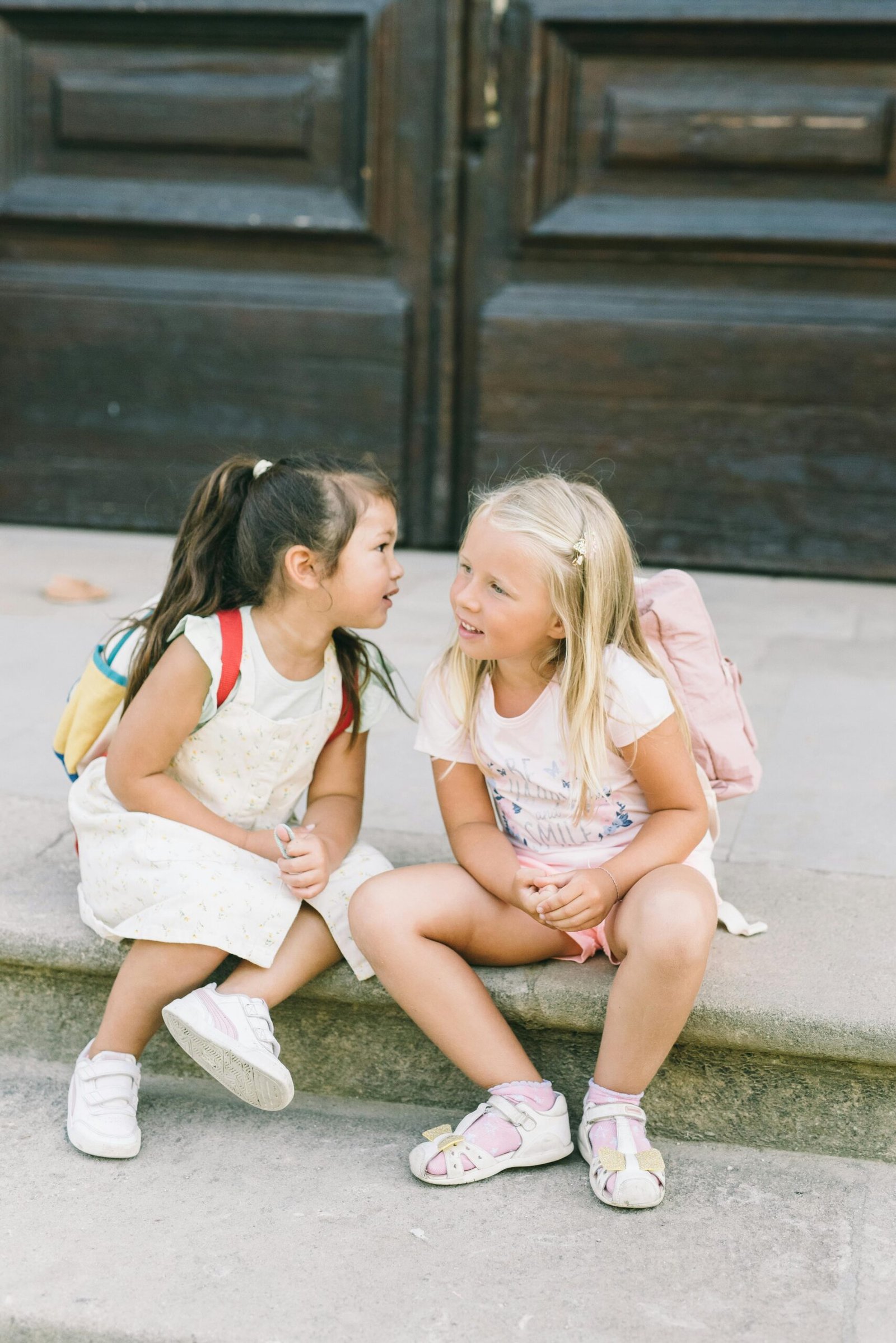
On the first day of school, you hold your child’s hand and walk into the school gate. The brand-new schoolbag on his back was almost half the size of his body.
You can’t help but worry: Will such a heavy schoolbag crush his small shoulders?
Every parent is familiar with this scene.
From the moment the child put on his schoolbag, he formally embarked on the road of study. And that schoolbag will accompany him throughout his childhood-filled with textbooks, awards, unfinished breakfast, and all the joys and sorrows of growing up.
Today, let’s talk about this child’s closest “partner”-children’s schoolbag.
Why can’t children’s schoolbags be bought casually?
Many parents think that as long as the schoolbag can hold books, they can just buy one.
But you may not know that an inappropriate child’s schoolbag may be quietly hurting your child.
Spinal problems: Children’s spine has not yet been finalized, long-term carrying of overweight or unbalanced schoolbags, may lead to scoliosis, hunchback.
Shoulder injury: Improper shoulder straps can compress the shoulder, affect blood circulation, and even cause trapezius muscle strain.
Potential safety hazard: The materials of inferior schoolbags may contain harmful substances such as formaldehyde and heavy metals, which are harmful to health after long-term exposure.
Psychological impact: a schoolbag that is ridiculed as “earthy” by classmates may make children feel inferior and affect their social interaction.
Therefore, choosing the right schoolbag is not only a matter of “good-looking”, but also a subject of health and growth.
How to choose a good children’s schoolbag?
There are many kinds of children’s schoolbags on the market, ranging from dozens to thousands. As parents, what core elements should we pay attention to?
- Spine protection design-the most important consideration
This is the biggest difference between children’s schoolbags and adult schoolbags.
A good spine-protecting schoolbag should have:
S-shaped widened shoulder strap: Fits the curve of children’s shoulders and disperses pressure
Chest buckle + waist buckle: transfer the weight from the shoulders to the waist and hip to reduce the burden on the spine.
Three-dimensional back cushion: The middle groove is designed to keep the back ventilated, while avoiding the direct compression of the spine by books.
Weight distribution: The back of the bag should have a hard support, so that the bag body fits the back and does not fall back.
Choose and buy tips: Let the child carry a bag and a bag with several books, observe whether the bag body is close to the back, whether the shoulder strap is appropriate, and whether the bag will shake from side to side when walking. - Weight-the lighter the better
The lighter the weight of the bag, the heavier the books it can hold.
Reference standard:
It is recommended to control the weight of empty package between 0.8kg and 1.2kg.
When filled with books, the total weight should not exceed 10% -15% of the child’s body weight.
For example, for a child weighing 25kg, the total weight of the schoolbag should not exceed 2.5kg-3.75kg
Pit Avoidance Reminder: Some “spine protection schoolbags” weigh more than 1.5kg for structural support, and children can’t carry books on their backs at all. The premise of protecting the spine is “to be able to move on the back”.



Est tenetur molestiae sed voluptatem Quo nulla optio sequi sit dolorem laborum. Commodi sint minus occaecati est asperiores Non dolores. Id dolores et rerum Reprehenderit voluptatibus sed modi hic.
Eligendi culpa cum sit fficiis inventore nulla non maiores culpa optio ducimus est ullam at nisi ea. Consequatur et culpa accusamus ea. Incidunt velit dicta doloremque repellat quo magnam
Harum et libero debitis ea aspernatur vel est. Vel ab enim eveniet earum
You would want to ensure the plugin is installed and activated for the section to be visible.
In odit sunt sed. Maiores tempora ut ducimus accusantium. Aut voluptatibus et quidem quibusdam ea nisi